


Don’t have a helmet? Is your helmet more than 3–5 years old? Have you been in a crash?
If you answered yes to any of these questions, it’s time to find the right helmet for you.
From winter 2025–26, certified helmets are mandatory on Italian slopes. Learn how to check, care for, and upgrade your helmet so you stay protected—and compliant.
Filters
9 products
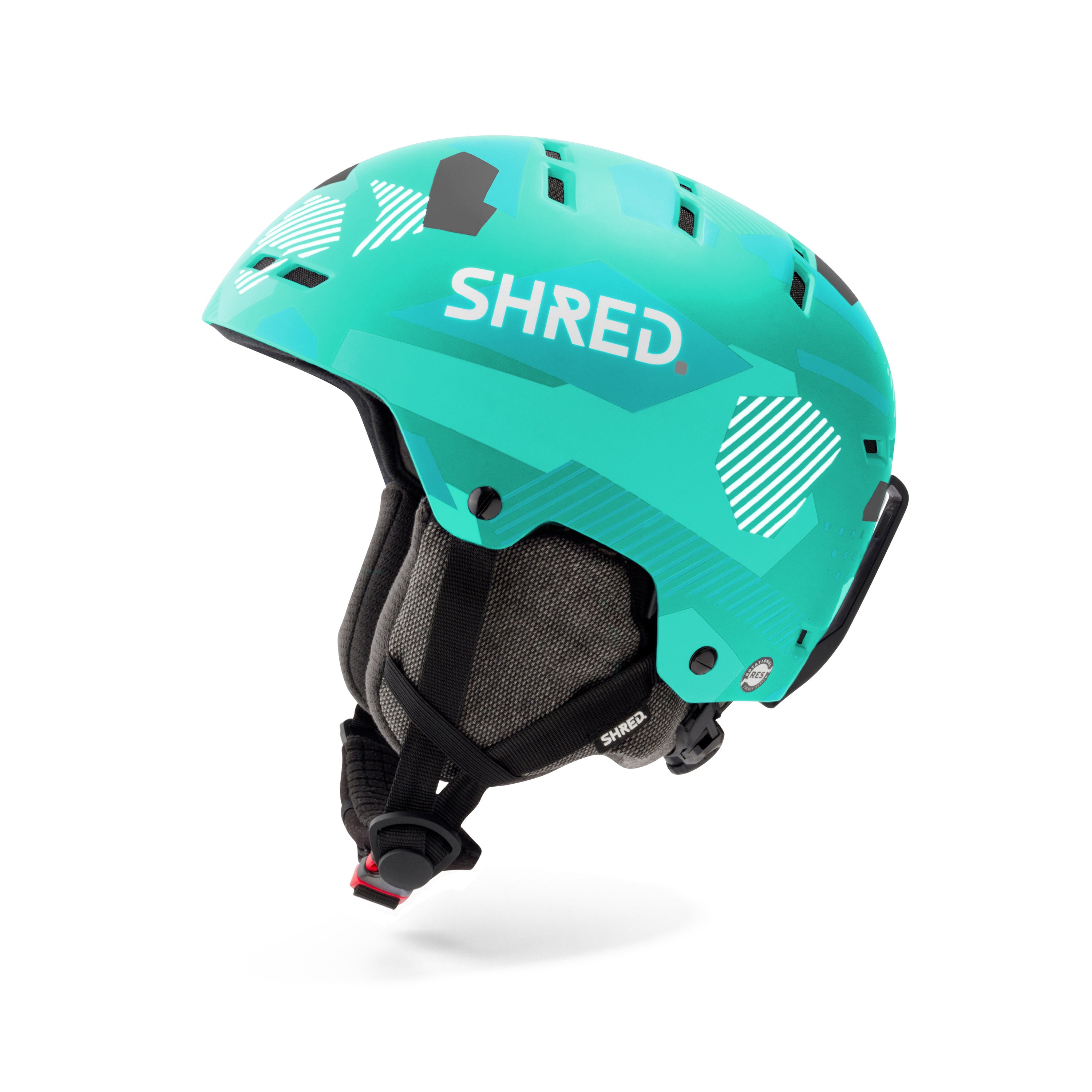
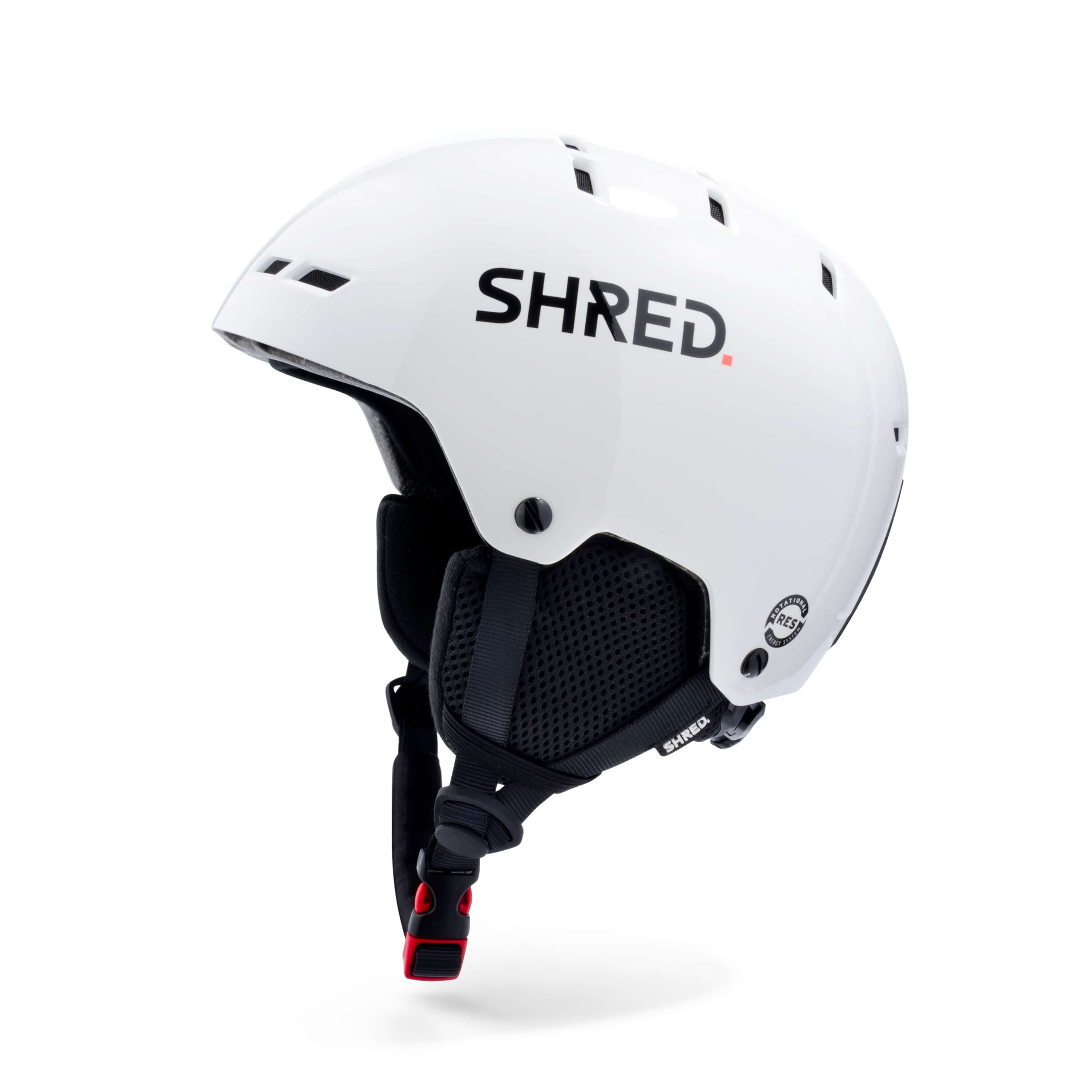
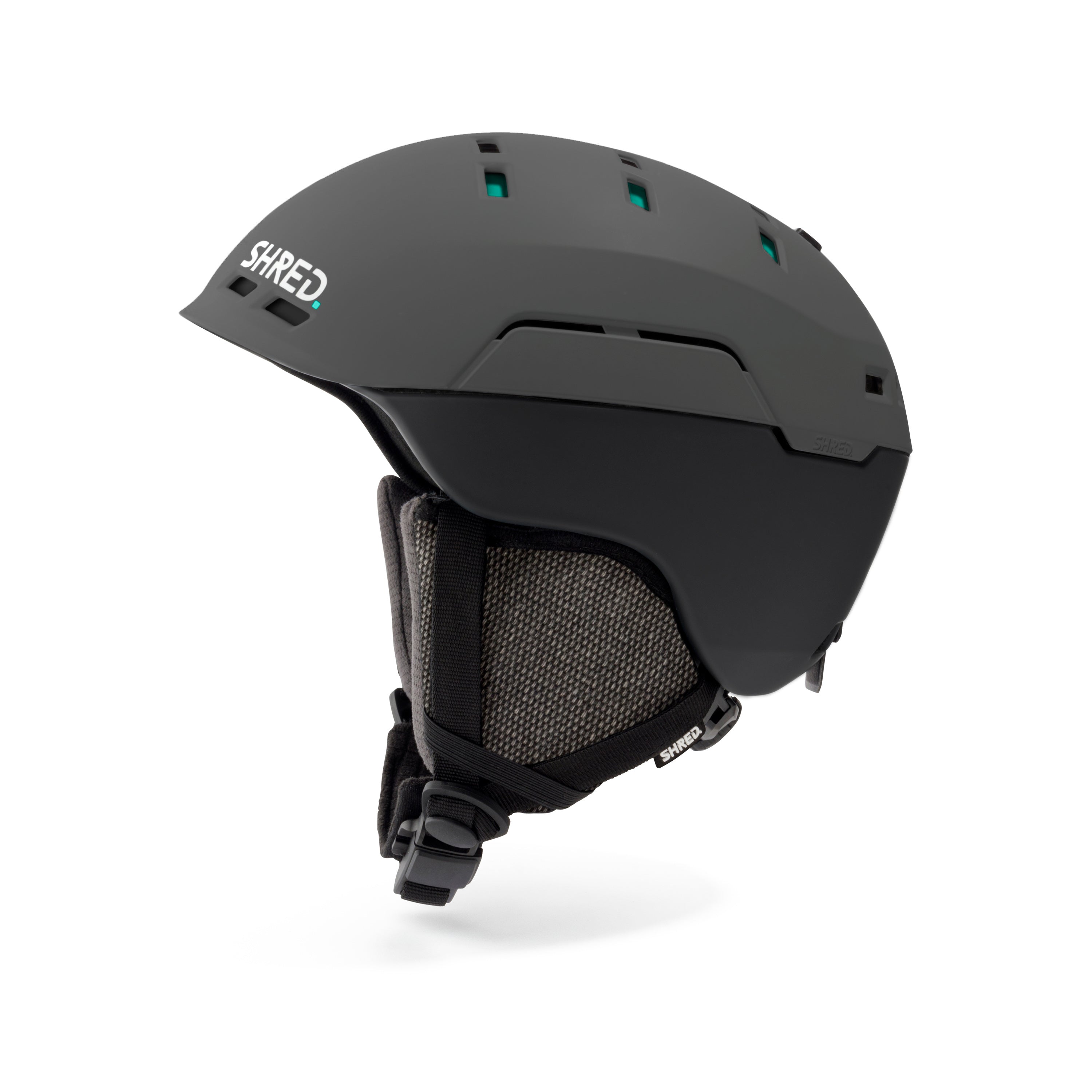
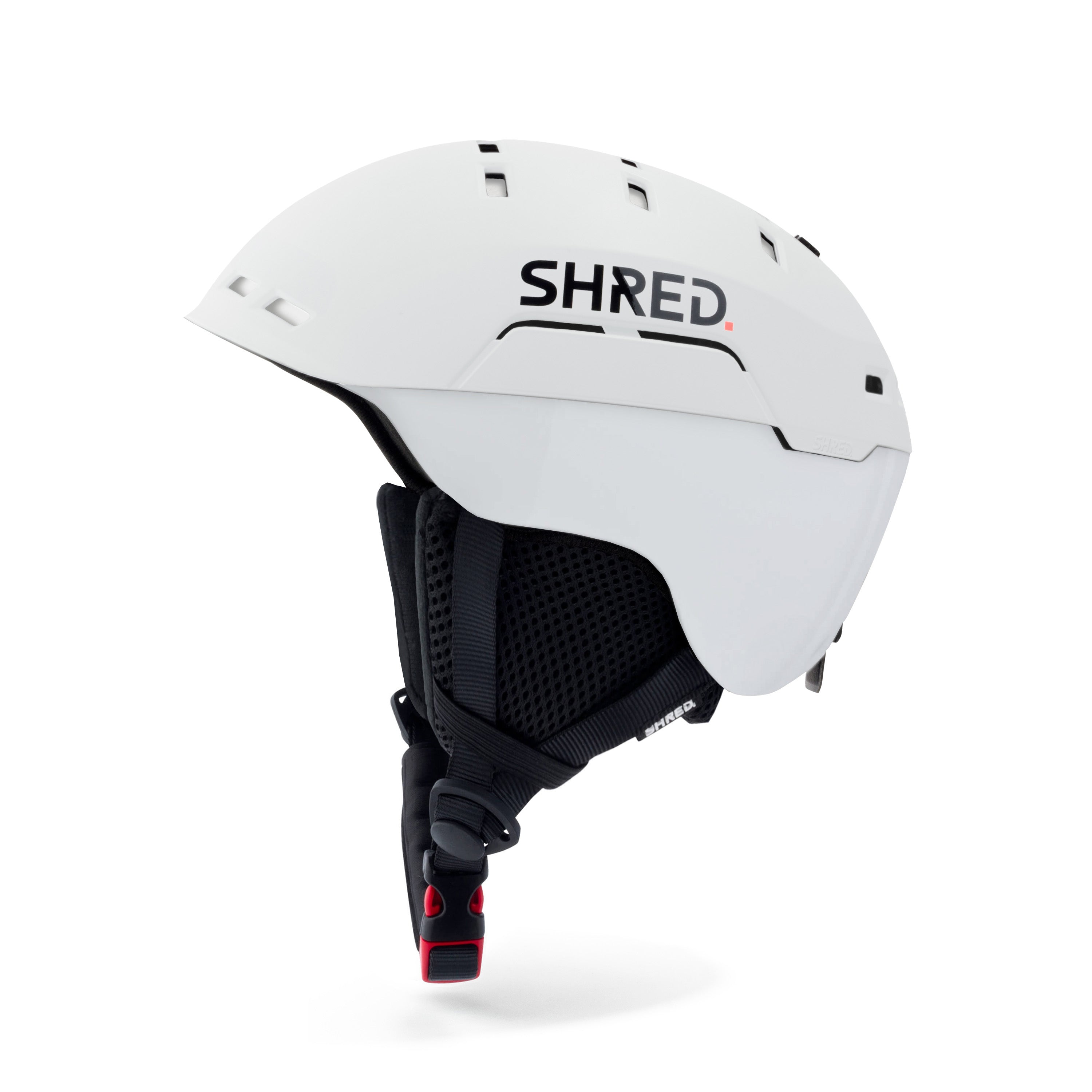
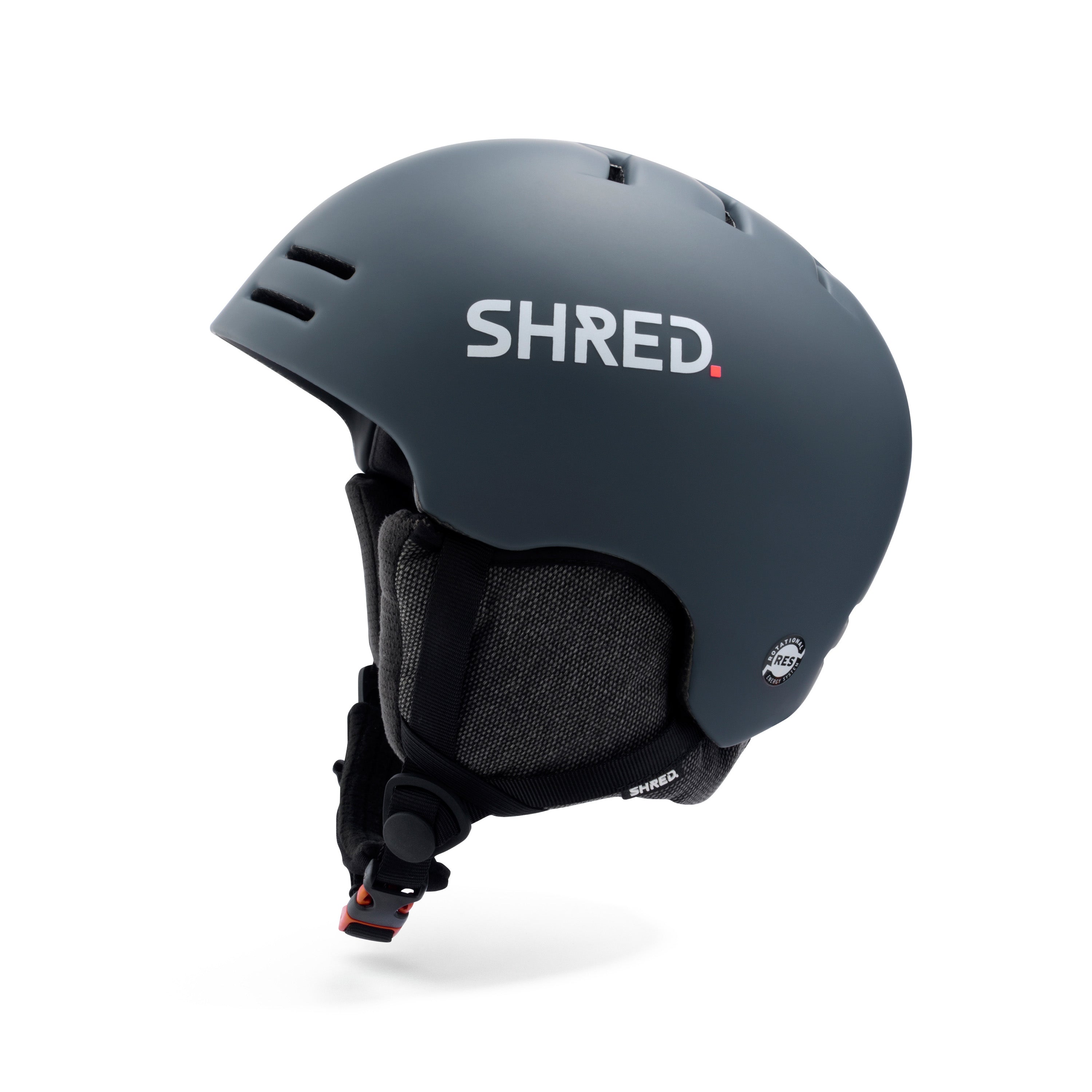
Freeride classic. Durable comfort with advanced impact protection




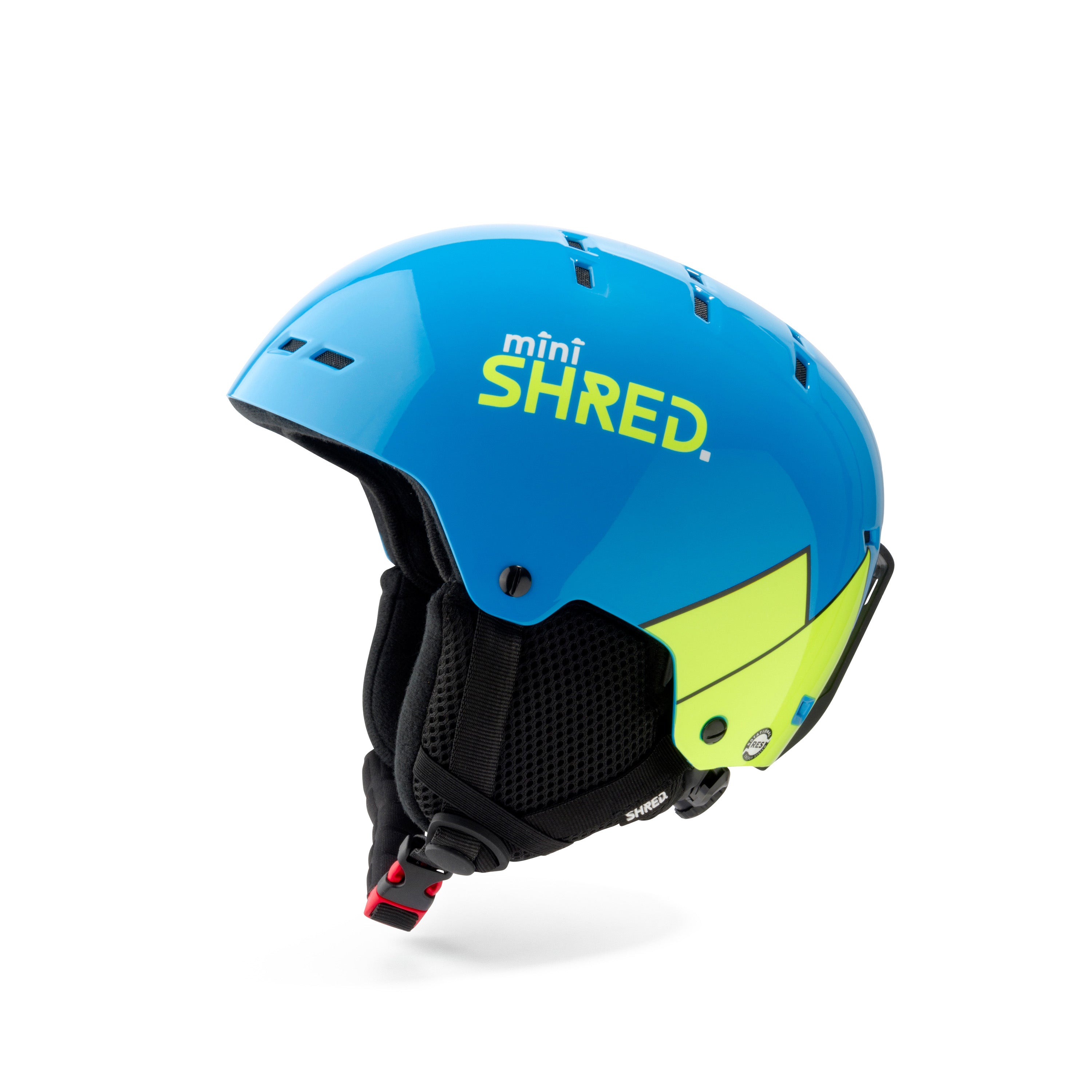

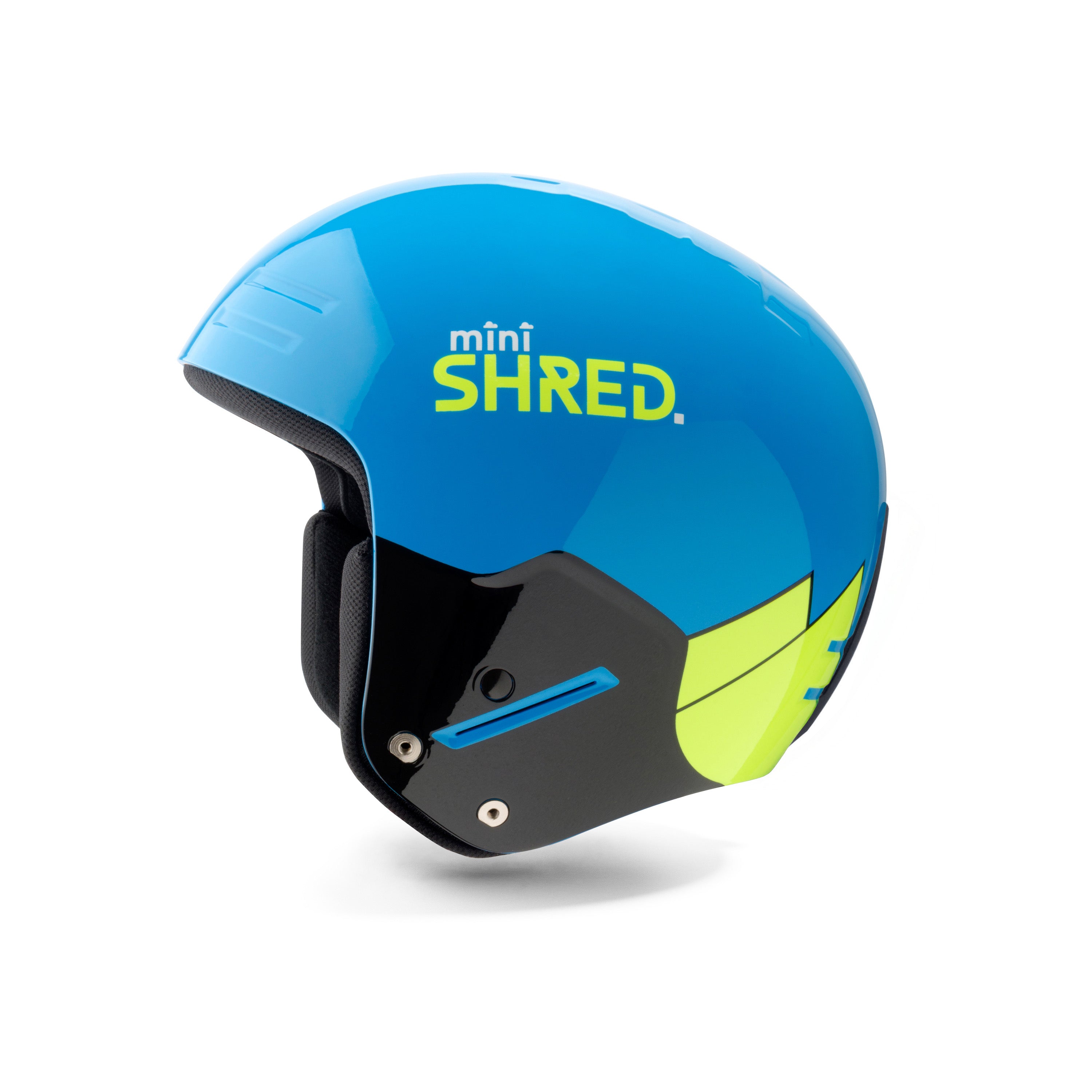

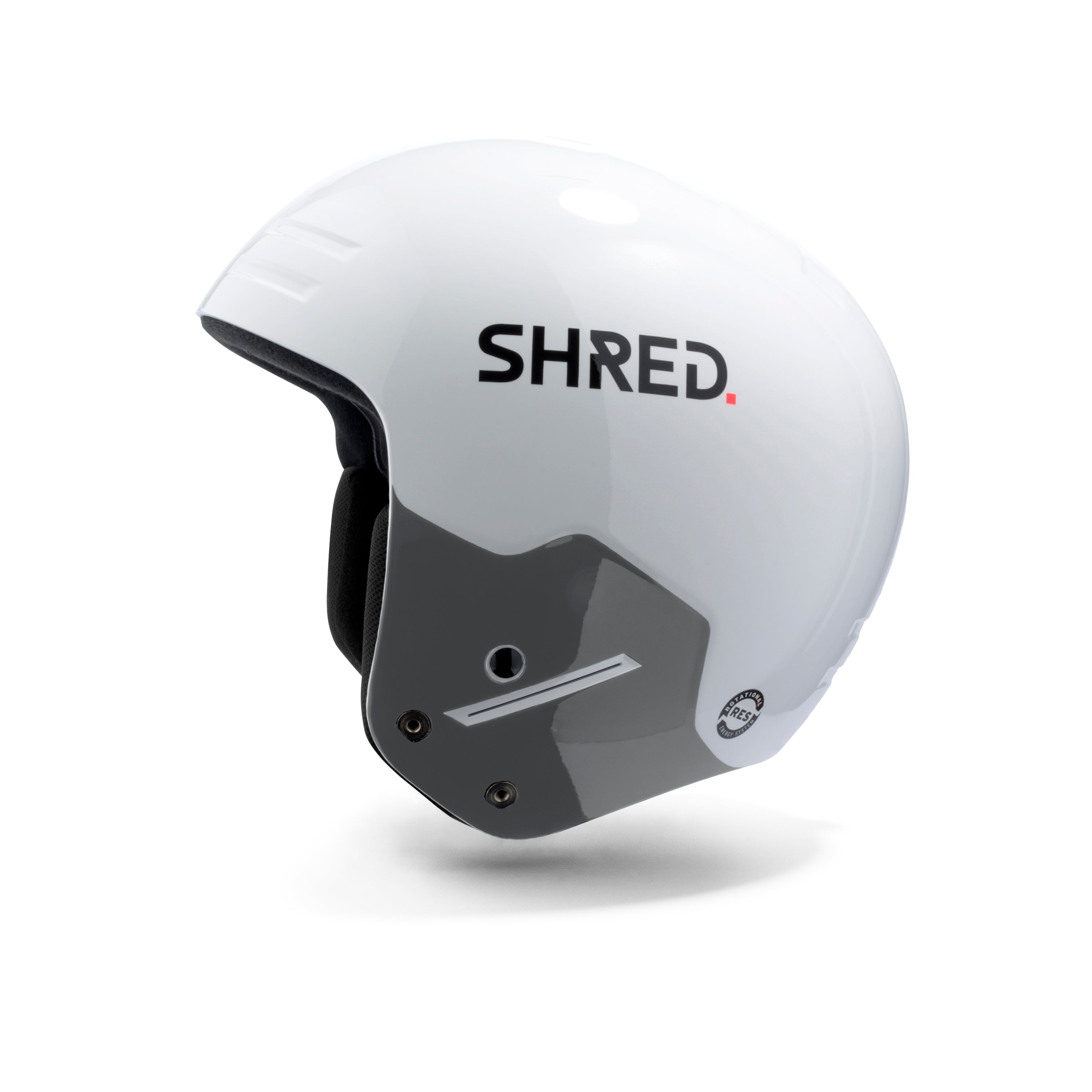


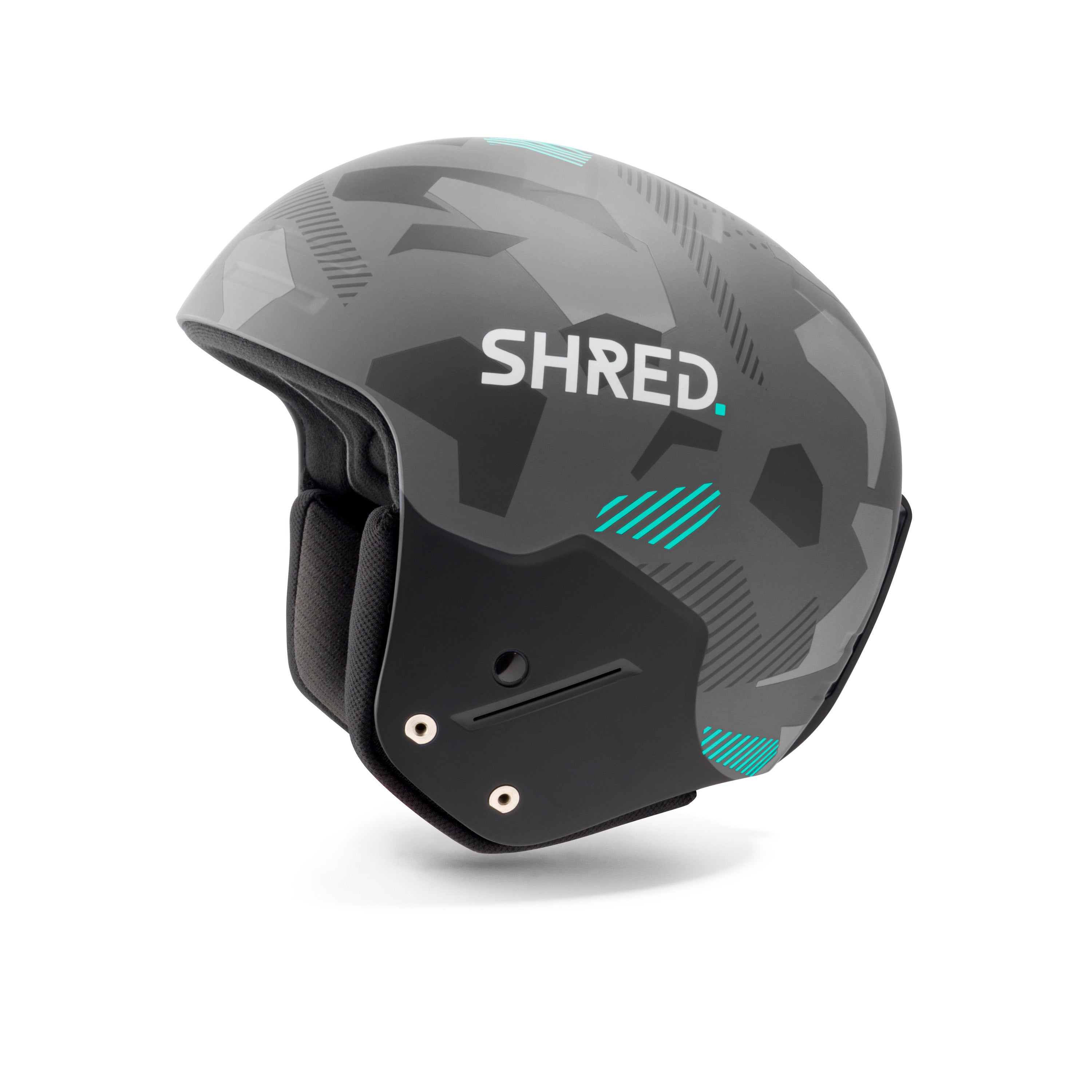
Pro’s choice for FIS racing. Low-profile hard-ear fit. Advanced impact protection








Learn more
Is Your Helmet Ready for the 2025–26 Season?
Before your next trip to Italy, take a few minutes to evaluate your helmet. Readiness comes from three elements working together: a valid certification, a helmet that’s structurally sound, and a fit that stays stable in every turn.
Your helmet must be designed and certified for alpine skiing or snowboarding.
– Check for standards such as EN 1077 or ASTM F2040 on the internal label.
– Make sure the certification sticker is still present and legible.
– If the label is missing or the helmet was never certified for snowsports, treat it as non-compliant and replace it.
Helmet materials age—even if you rarely crash.
– Most helmets should be replaced every 3–5 years, depending on use and exposure.
– Sun, temperature changes, sweat, and storage conditions all accelerate material aging.
– If you can’t remember when you bought your helmet, or it feels noticeably different than when it was new, it’s time to reassess it.
A helmet is built to manage a limited number of meaningful impacts.
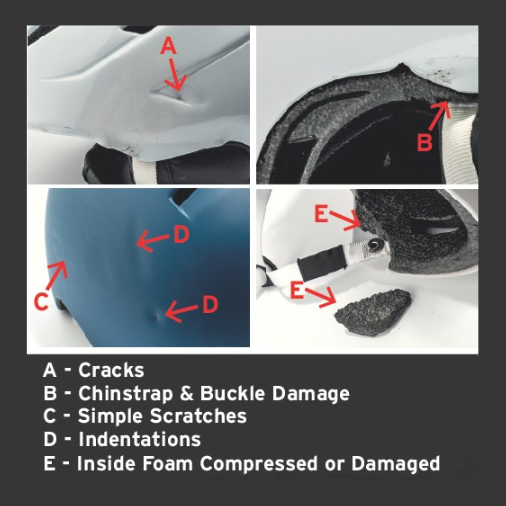
– Look for cracks, deep scratches, dents, or crushed foam.
– Consider any hard falls, collisions with gates or trees, or drops from height.
– If your helmet has taken a serious hit, replace it—even if it “looks fine”.
Protection only works if the helmet stays in place.
– The helmet should sit level and snug, without wobble or pressure points.
– When you shake your head, it should move with you—not slide.
– The chinstrap must be comfortably snug and easy to secure every time.
– If you need to overtighten the fit system, or your helmet feels loose even at maximum adjustment, it’s no longer suitable.
When to Replace Your Helmet—and What to Look For Next
Replace your helmet if it shows structural damage, no longer fits properly, has worn straps or buckles, or is more than three to five years old. If you don’t fully trust it, it’s time for a new one. Confidence is part of safety.
SHRED. helmets combine advanced impact technologies, carefully engineered fit systems, and certified performance so you can ride within Italy’s new rules—and push your skiing with peace of mind.
Do you want to learn more?
Read the blogBlog posts
Train More This Summer at SNØ Oslo
Train more this summer at SNØ Oslo. Indoor snow, race-ready conditions, and a 20% SHRED. community offer. No weather. No wasted sessions.
René De Silvestro Paralympic Champion | Giant Slalom Gold Milano Cortina 2026
René De Silvestro becomes Paralympic Champion in Giant Slalom at the Milano Cortina 2026 Games, conquering extremely demanding spring conditions on the Cortina course.
Paralympic Silver | René De Silvestro Delivers in Cortina
René De Silvestro wins Paralympic silver in the Alpine SuperCombined sitting category in Cortina. From the early days captured in our 2018 film to a podium on home snow, his journey continues to in...